
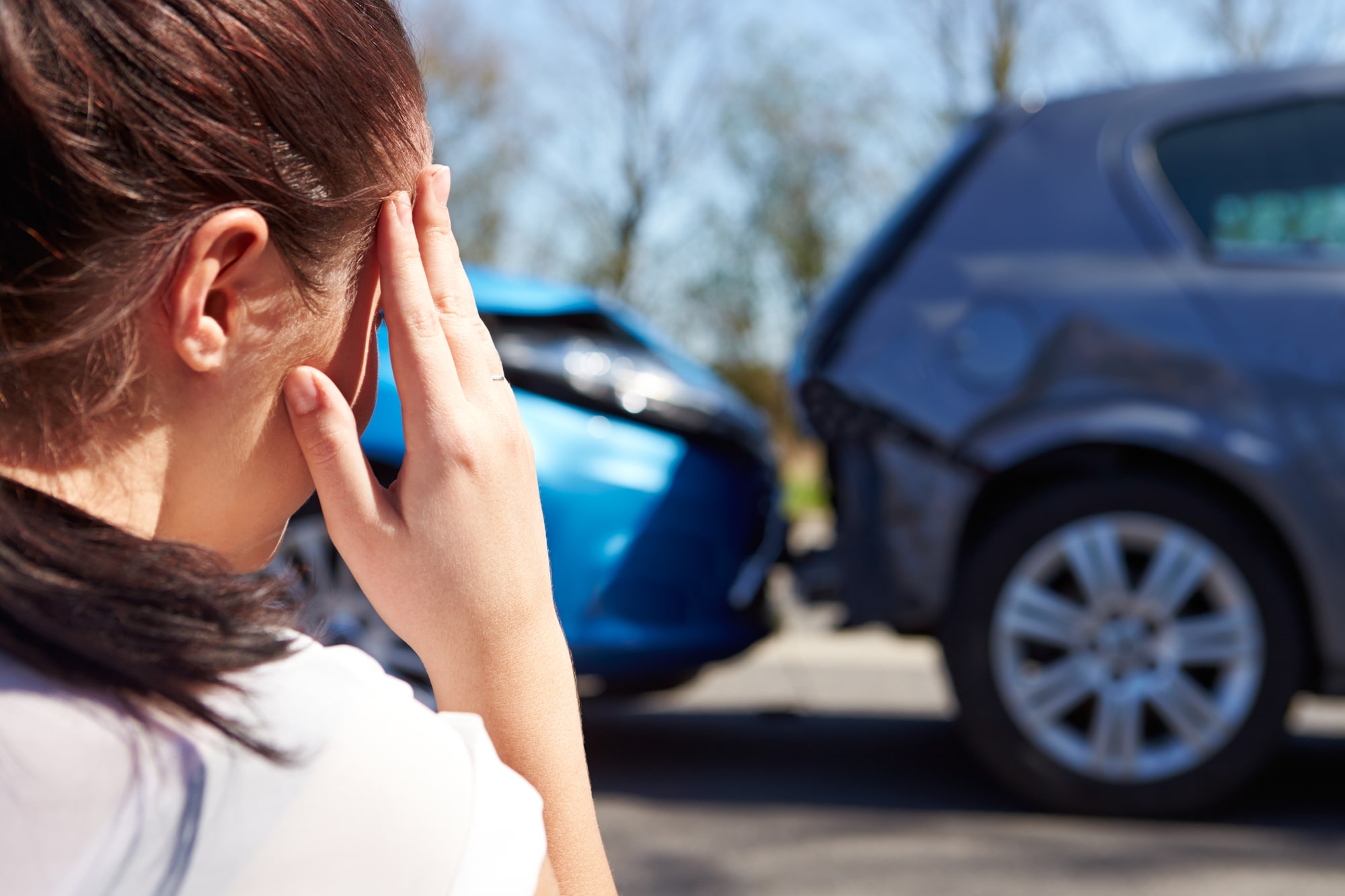
When a company vehicle is involved in an accident, determining who is legally responsible becomes more complicated than in a standard crash. Unlike collisions between private drivers, accidents involving company cars often raise questions about whether the driver, the employer, or both share liability. Understanding how these situations are evaluated helps clarify why company-vehicle crashes require deeper investigation and why they often involve multiple layers of responsibility.
Below, our friends at Ganderton Law, LLC explain who is liable when a company vehicle causes an accident.
Why Company Vehicle Accidents Are Different
A company vehicle can include anything from a branded delivery van to a sales representative’s sedan or a service technician’s work truck. When one of these vehicles is involved in a collision, the situation typically involves additional considerations, such as:
- Whether the driver was working at the time
- Whether the employer controls the driver’s tasks and schedule
- Maintenance responsibilities for the vehicle
- The nature of the business relationship between the driver and employer
Because work-related driving often extends a company’s liability, these cases require a closer look at what was happening before and during the crash.
The Role of “Vicarious Liability”
A key concept in company-vehicle accidents is vicarious liability, sometimes referred to as “respondeat superior.” This principle holds that an employer can be responsible for the negligent actions of its employees when those actions occur within the scope of their employment.
A company may be liable when an employee:
- Is driving to a job site
- Is transporting materials or goods
- Is making deliveries
- Is traveling for a work-related meeting
- Is performing tasks for the employer during business hours
In these situations, the employer benefits from the employee’s actions—and may therefore bear responsibility for harm caused while those actions are being carried out.
When the Employer May Be Directly Responsible
In addition to vicarious liability, an employer may also be directly liable if the company itself acted negligently. This can include:
1. Poor Vehicle Maintenance
If the company owns the vehicle, it is responsible for keeping it safe. Failing to maintain brakes, tires, lights, or steering systems can lead to serious accidents.
2. Inadequate Training
If an employer hires drivers without proper training or fails to ensure they are qualified to operate company vehicles, the company may be responsible for resulting accidents.
3. Negligent Hiring or Retention
Employers may be liable if they hire or retain drivers with unsafe histories, such as DUIs, suspended licenses, or prior crashes.
4. Dangerous Company Policies
Schedules that encourage speeding, unrealistic delivery times, or excessive work hours can pressure drivers into unsafe behavior.
If any of these conditions contributed to the crash, the employer’s own negligence may become a central issue in the claim.
When the Driver May Be Personally Liable
Not every crash involving a company vehicle is the employer’s responsibility. An employee may be solely liable if they were acting outside the scope of their job. Examples include:
- Running personal errands during work hours
- Using the company car for unauthorized purposes
- Driving impaired
- Engaging in reckless or intentionally harmful behavior
- Taking a significant detour unrelated to work
These scenarios are considered a frolic—meaning the driver deviated enough from their job duties that the employer may not be held responsible.
Shared Liability: When Both Parties Contribute to the Crash
In many situations, fault may be shared. For example:
- A driver is speeding to meet a deadline
- The employer set unrealistic expectations or enforced aggressive delivery quotas
- The vehicle was poorly maintained
- The driver also acted carelessly or distracted
When both the driver and employer played a role, liability may be divided accordingly.
Critical Evidence in Company Vehicle Accidents
These cases require deeper investigation and a broader set of evidence than a typical two-car crash. Key factors may include:
- Vehicle maintenance logs
- Company driving policies
- Employee training records
- Driver schedules, timecards, or task assignments
- GPS or telematics data
- Dashcam footage
- Communication records between the driver and employer
Understanding how much the company controlled, supervised, or influenced the driver’s behavior is essential in determining who is responsible.
Why It Matters for Injured People
A car accident lawyer knows that accidents involving company vehicles often lead to significant injuries due to the size of commercial vehicles and the work demands placed on drivers. Identifying all responsible parties can dramatically increase the available insurance coverage and improve an injured person’s ability to recover medical costs, lost wages, and long-term damages.
In other words, company-vehicle crashes aren’t just about who was behind the wheel—they’re about the system of policies, expectations, and responsibilities that put that driver on the road.