
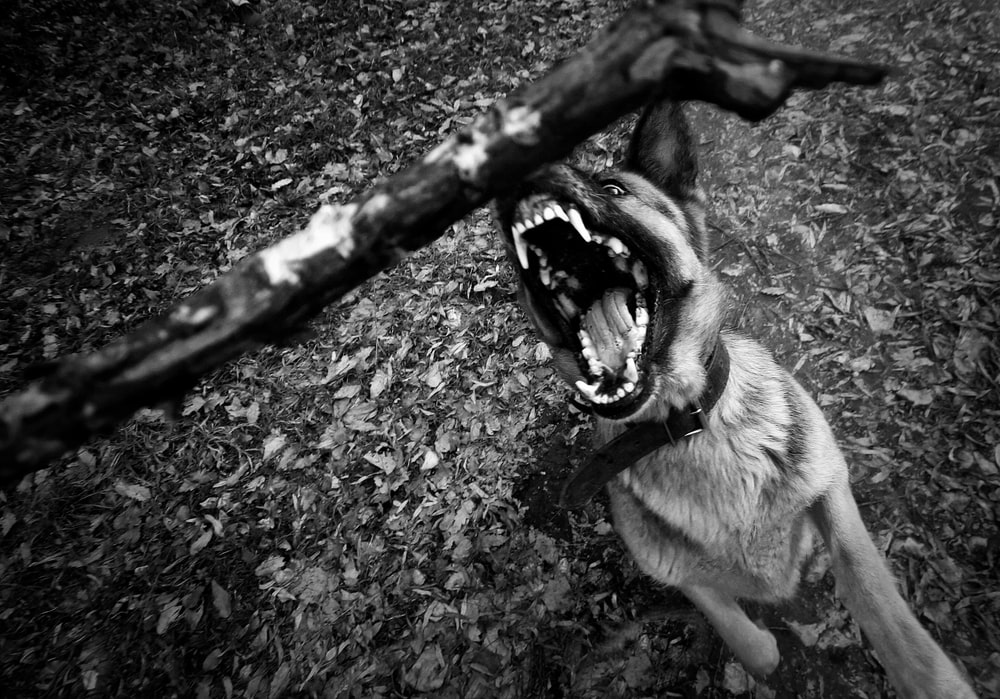
A dog just bit you while you were walking through your neighbor's yard, and you're wondering whether the owner is automatically responsible for your medical bills and other damages. The answer depends on where you live, what you were doing when the bite occurred, and whether the dog had a history of aggression.
Dog bite liability laws vary significantly across states, and several defenses can reduce or eliminate owner responsibility even when their dog causes injury. Our friends at Ausman Law Firm P.C., L.L.O. discuss how these legal frameworks attempt to balance victim protection with fair treatment of responsible pet owners. A dog bite lawyer who handles dog bite cases understands your state's specific laws and knows which circumstances create clear liability versus situations where owner responsibility becomes disputed.
Strict Liability States Versus One-Bite States
States generally follow one of two approaches to dog bite liability. Understanding which system your state uses determines how much you need to prove to recover compensation.
Strict Liability States
Most states have strict liability statutes for dog bites. This means owners are automatically responsible when their dog bites someone, regardless of whether the dog ever showed aggression before or whether the owner knew the dog might be dangerous. According to the American Veterinary Medical Association, strict liability laws exist in the majority of U.S. states to protect public safety and compensate bite victims.
In these states, you don't need to prove the owner was negligent or knew the dog was dangerous. The fact that the dog bit you and caused injury is sufficient to establish liability. The owner's careful supervision or lack of prior incidents doesn't matter under strict liability rules.
However, even strict liability states have exceptions and defenses that can reduce or eliminate owner responsibility in certain circumstances. These exceptions vary by state but commonly include situations where the victim was trespassing, provoking the dog, or engaged in criminal activity.
One-Bite Rule States
A few states still follow the traditional "one-bite rule," which requires proving the owner knew or should have known the dog was dangerous. The name comes from the concept that dogs get "one free bite" before owners can be held liable.
This terminology is misleading. You don't literally need to show the dog bit someone before. Any evidence of dangerous propensity works, including aggressive behavior, growling, lunging, or previous attempts to bite. The key is demonstrating the owner had reason to know the dog posed a danger.
In one-bite states, your burden of proof is heavier. You must show both that the dog bit you and that the owner had notice of the dog's dangerous tendencies. This can make recovery more difficult, especially when dealing with dogs that seemed friendly until the attack.
Common Defenses To Dog Bite Liability
Even in strict liability states, owners raise defenses to avoid responsibility. Understanding these defenses helps you evaluate the strength of your claim and anticipate arguments you'll face.
Trespassing
Property owners generally don't owe the same duty of care to trespassers as they do to invited guests or people lawfully on the property. If you were trespassing when the dog bit you, the owner might not be liable even in strict liability states.
What counts as trespassing varies by circumstances. Walking across someone's unfenced yard might not be trespassing in some situations, while entering a clearly marked private property certainly is. Children are often given more protection under the law, with attractive nuisance doctrines sometimes applying even when they technically trespassed.
Provocation
Dogs that bite in response to provocation might give owners a complete defense to liability. Provocation means you did something that would cause a reasonable dog to react aggressively. This could include hitting, kicking, pulling the dog's tail, taking its food, or making threatening gestures.
The provocation defense recognizes that dogs are animals with instinctive responses to perceived threats. If you caused the dog to feel threatened or in pain, the owner argues the bite was your fault, not theirs.
Courts look at whether your actions would provoke a reasonable dog, not whether this particular dog had a unusually sensitive reaction. Accidentally stepping on a dog's paw generally isn't provocation. Deliberately teasing or tormenting the animal is.
Assumption Of Risk
If you voluntarily encountered a known danger, you might have assumed the risk of being bitten. This defense applies most commonly to people working with dogs professionally, like veterinarians, groomers, or kennel workers.
The owner must prove you knew about the specific risk of this dog being dangerous and voluntarily chose to interact with it anyway. Generic knowledge that dogs sometimes bite isn't enough. You must have had actual awareness that this particular dog posed a danger.
Criminal Activity
Many states bar recovery if you were engaged in criminal activity when the dog bite occurred. If you were burglarizing a home and the resident's dog bit you, you probably can't recover compensation even in strict liability states.
The criminal activity defense doesn't require that you were convicted of a crime. The owner just needs to show you were committing a criminal act at the time of the bite.
Special Rules For Specific Locations
Where the bite occurred affects liability analysis. Different standards apply depending on whether you were in a public place, on the owner's property, or on your own property.
Public Spaces
When dogs bite people in public areas like parks, sidewalks, or stores, owners face strong liability. You have a right to use public spaces safely, and owners who bring dogs to these areas must maintain control. Leash law violations often establish negligence even in one-bite states.
Owner's Property
Bites occurring on the owner's property create more complicated liability questions. Were you invited? Were you a social guest, business visitor, or postal worker? Was the dog properly contained? Did warning signs exist?
Owners have stronger defenses when dogs bite trespassers on their own property. But they still owe duties to invited guests, and many states impose strict liability for attacks on people lawfully on the property regardless of warning signs or fencing.
Victim's Property
If a dog leaves its owner's property and bites you on your own property or in a public area, owner liability is typically clear. Dogs that escape confinement and attack people create strong claims even in one-bite states, because the escape itself demonstrates inadequate control and dangerous propensity.
Landlord Liability For Tenant's Dogs
Sometimes tenants' dogs bite people, raising questions about whether landlords share responsibility. Landlords generally aren't liable for tenant-owned dogs unless specific circumstances exist.
Landlord liability typically requires proof that the landlord knew the specific dog was dangerous and had the ability to remove it but failed to act. Simply knowing a tenant has a dog isn't enough. The landlord must have had actual knowledge of that particular dog's dangerous propensities and authority to do something about it.
Some lease agreements give landlords right to remove dangerous animals. If the landlord knew about a dangerous dog and failed to exercise this contractual right, liability becomes more likely. Similarly, if the landlord controlled common areas where the attack occurred and knew about the dangerous dog, they might share responsibility.
Damages In Dog Bite Cases
Dog bite injuries range from minor puncture wounds to severe disfigurement requiring reconstructive surgery. The damages you can recover depend on injury severity and impact on your life.
Compensable damages typically include:
- Medical expenses for emergency treatment, surgery, and ongoing care
- Future medical costs for scar revision or psychological treatment
- Lost wages if injuries prevented work
- Pain and suffering from physical injuries
- Emotional distress and psychological trauma
- Permanent scarring or disfigurement
- Loss of enjoyment of life activities
Facial bites, especially those affecting children, often result in substantial damages due to permanent scarring and psychological impact. Dog attacks can cause lasting fear of dogs and post-traumatic stress requiring therapy.
Insurance Coverage For Dog Bites
Most homeowner's and renter's insurance policies include liability coverage for dog bites. These policies typically cover medical expenses and damages up to the policy limits, usually ranging from $100,000 to $500,000.
Some insurance companies exclude certain dog breeds from coverage or charge higher premiums for homes with dogs considered dangerous. Pit bulls, Rottweilers, German Shepherds, and other breeds often face restrictions. If the owner's insurance excludes their dog's breed, they might have no coverage for your injuries.
When insurance doesn't cover the bite or covers it inadequately, you might need to pursue the owner's personal assets. This becomes difficult if they don't have significant assets beyond their home, which might be protected by homestead exemptions.
Special Considerations For Child Victims
Children suffer a disproportionate number of serious dog bites, often to the face and head because of their smaller stature. The law provides special protections for child victims, recognizing that they can't always appreciate dangers or protect themselves as adults can.
Provocation defenses rarely succeed against young children who didn't understand their actions might trigger a dog's aggressive response. Courts recognize that children act impulsively and can't be held to adult standards of reasonable behavior around animals.
Damages for children often include compensation for permanent scarring that will affect them throughout their lives. Settlements or judgments for children typically require court approval to protect their interests.
Reporting Requirements And Quarantine
After dog bites occur, legal obligations extend beyond civil liability. Most jurisdictions require reporting dog bites to animal control or health departments. These reports create official records that can support your injury claim and protect future potential victims.
Animal control investigations often include quarantine requirements to check for rabies, documentation of the incident, and possible dangerous dog determinations. Owners who fail to comply with reporting and quarantine rules face additional liability and potential criminal penalties.
The investigation records, including statements from the owner and animal control findings, become evidence in your civil case. Determinations that a dog is dangerous or vicious strengthen claims by establishing the owner's knowledge of the dog's propensity for aggression.
Dog bite liability depends on multiple factors including your state's laws, where the bite occurred, what you were doing at the time, and whether the dog had shown aggression before. While owners often bear responsibility for their dogs' actions, various defenses can reduce or eliminate liability in specific circumstances. Understanding how these rules apply to your situation and gathering proper documentation immediately after an attack protects your ability to recover compensation for injuries caused by someone else's failure to properly control their animal.